Ferdaws Nayimi P-1A Visa Guide: MMA Fighter Immigration
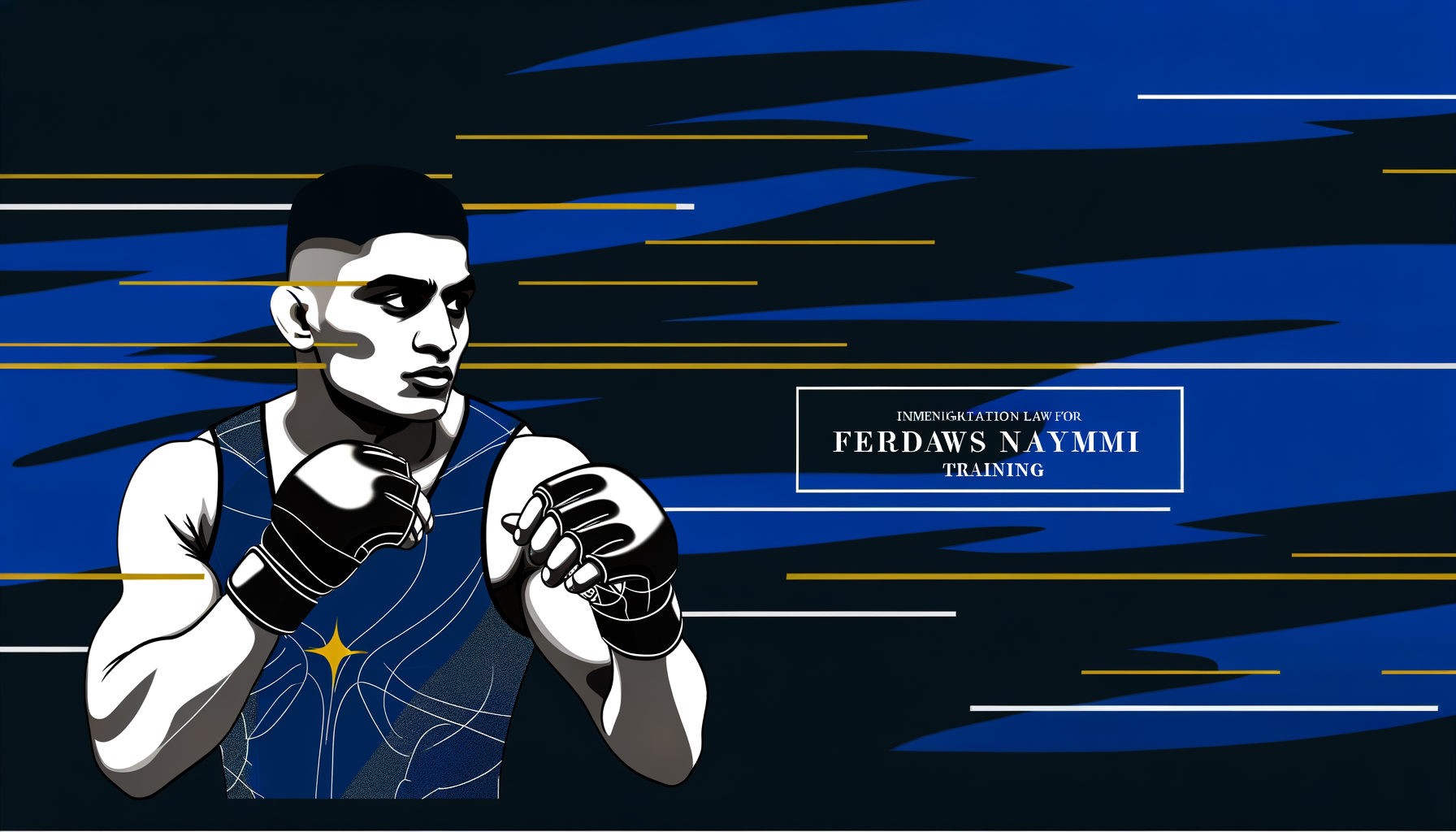
P-1A Visa Mastery: How MMA Fighter Ferdaws Nayimi Navigated the Athletic Immigration Landscape
The world of mixed martial arts has evolved into a truly global phenomenon, with elite fighters crossing international boundaries to compete at the highest levels. For MMA athlete Ferdaws Nayimi, securing P-1A visa status represented more than just immigration compliance—it was the gateway to pursuing championship opportunities in the world's most competitive fighting market.
Understanding P-1A Visa Requirements for MMA Athletes
The P-1A visa category serves internationally recognized athletes who seek to enter the United States temporarily to compete at a specific athletic competition. For mixed martial arts fighters like Ferdaws Nayimi, this visa type offers distinct advantages over other immigration options, particularly for athletes who compete regularly but may not yet qualify for O-1A extraordinary ability status.
Key P-1A Eligibility Criteria
USCIS evaluates P-1A applications based on specific requirements that demonstrate an athlete's international recognition and competitive standing:
International Recognition: The athlete must be internationally recognized in their sport through documentation of achievements, rankings, or significant participation in international competitions.
Competition Requirement: The athlete must be coming to the United States to participate in a specific athletic competition that has a distinguished reputation and requires international participation.
Team vs. Individual Sports: While P-1A traditionally applied to team sports, USCIS has expanded interpretation to include individual athletes in sports with international competitive structures.
Temporary Intent: Unlike O-1A visas, P-1A status is specifically tied to particular competitions or events, making it ideal for fighters with specific bout agreements.
Ferdaws Nayimi's Strategic Approach
Ferdaws Nayimi's case exemplifies how modern MMA athletes can leverage P-1A visa benefits to build international careers. Working with Attorney Sherrod Seward, Nayimi developed a comprehensive immigration strategy that addressed the unique challenges facing mixed martial arts competitors.
Combat Sports Documentation Challenges
MMA presents unique documentation challenges compared to traditional sports:
Multiple Disciplines: Mixed martial arts encompasses striking, grappling, and submission techniques from various martial arts traditions, making standardized ranking systems complex.
Organizational Fragmentation: Unlike sports with single governing bodies, MMA operates through multiple promotions, each with different standards and recognition systems.
Rapid Evolution: The sport's relatively recent mainstream emergence means that historical documentation systems are still developing.
Strategic Documentation Development
Ferdaws Nayimi's legal team focused on several key areas to build a compelling P-1A case:
Fight Record Analysis: Comprehensive documentation of professional bouts, including opponent quality, venue significance, and competitive outcomes.
Training Credentials: Evidence of training at internationally recognized facilities with established coaches and alongside other professional fighters.
Media Recognition: Compilation of media coverage from MMA publications, mainstream sports outlets, and digital platforms that serve the MMA community.
Ranking Documentation: Official rankings from recognized MMA organizations and third-party ranking systems that track fighter standings.
P-1A vs. O-1A: Strategic Visa Selection for MMA Athletes
The choice between P-1A and O-1A visa categories significantly impacts an MMA athlete's immigration strategy. Ferdaws Nayimi's case illustrates why P-1A may be the optimal choice for certain fighters:
P-1A Advantages for MMA Athletes
Lower Evidence Threshold: P-1A requires international recognition rather than extraordinary ability, making it accessible to a broader range of professional fighters.
Event-Specific Authorization: P-1A status ties directly to specific competitions, aligning with how MMA careers typically develop through individual bout agreements.
Shorter Processing Times: P-1A applications often process more quickly than O-1A petitions, crucial for fighters with time-sensitive bout agreements.
Team Support Staff: P-1A allows for P-1S support staff visas, enabling fighters to bring essential team members including coaches, cutmen, and training partners.
When O-1A Might Be Preferable
While Ferdaws Nayimi benefited from P-1A status, some MMA athletes may find O-1A more suitable:
Extended Duration: O-1A provides longer initial periods and easier extensions for fighters planning extended U.S. stays.
Broader Activities: O-1A allows for various activities within the field of expertise, including training, coaching, and media appearances beyond specific competitions.
Championship-Level Fighters: Athletes with extensive championship credentials may find O-1A's extraordinary ability standard achievable and beneficial.
Petitioner Requirements and Strategy
Ferdaws Nayimi's success required identifying appropriate petitioning organizations capable of sponsoring P-1A applications. This process involves several critical considerations:
Qualifying Petitioner Organizations
MMA Promotions: Established fighting organizations with history of international events and fighter development.
Athletic Commissions: State athletic commissions may serve as petitioners for sanctioned events within their jurisdictions.
Training Facilities: High-profile gyms and training centers with established reputations and business operations.
Management Companies: Professional management organizations representing multiple fighters and organizing competitive events.
Petitioner Credibility Factors
Attorney Sherrod Seward emphasizes the importance of petitioner selection in P-1A cases: "The petitioning organization must demonstrate legitimate business operations and genuine need for the athlete's participation. This goes beyond simple bout agreements to show how the fighter contributes to the organization's competitive objectives."
Financial Stability: Evidence of organizational financial capacity to support events and fighter compensation.
Event History: Documentation of previous international competitions and successful fighter sponsorships.
Industry Recognition: Reputation within the MMA community and recognition by athletic commissions and media outlets.
Compliance Record: History of successful immigration petitions and compliance with visa requirements.
Competition Requirements and Event Documentation
P-1A visa success depends heavily on demonstrating that the planned competition meets USCIS requirements for distinguished reputation and international participation.
Event Qualification Standards
Ferdaws Nayimi's case involved competitions that satisfied P-1A event requirements:
International Participation: Events featuring fighters from multiple countries, demonstrating global competitive scope.
Distinguished Reputation: Competitions with established reputations within the MMA community, recognized by media and industry professionals.
Significant Prizes: Events offering substantial prize money or championship opportunities that attract international talent.
Media Coverage: Competitions receiving coverage from mainstream sports media, specialized MMA publications, and broadcast networks.
Documentation Strategy for Events
The legal team compiled comprehensive event documentation including:
Official Event Announcements: Press releases and promotional materials establishing event significance and international scope.
Fighter Roster Analysis: Documentation showing participation of internationally recognized fighters from multiple countries.
Media Coverage Plans: Evidence of planned television, streaming, or digital media coverage reaching international audiences.
Prize Structure: Documentation of prize money, bonuses, and championship opportunities that demonstrate event significance.
Addressing Common P-1A Challenges for MMA Athletes
Ferdaws Nayimi's case navigated several challenges commonly faced by MMA athletes seeking P-1A status:
International Recognition Documentation
Proving international recognition in MMA requires strategic evidence compilation:
Cross-Border Competition: Evidence of fights in multiple countries or against opponents from various nations.
Ranking Systems: Documentation from established MMA ranking organizations and media outlets that track fighter standings.
Training Pedigree: Evidence of training at internationally recognized facilities or with renowned coaches.
Media Coverage: Compilation of coverage from international MMA media and mainstream sports outlets.
Competition Level Justification
Demonstrating appropriate competition level involves:
Opponent Analysis: Documentation of opponent credentials, rankings, and achievements to establish competition quality.
Event Significance: Evidence that planned competitions represent significant opportunities within the fighter's career trajectory.
Career Progression: Documentation showing how U.S. competitions fit within the fighter's overall career development.
Timeline and Processing Considerations
Ferdaws Nayimi's case management involved careful timeline coordination to ensure visa approval aligned with competition schedules:
Strategic Filing Timing
Advance Planning: Filing petitions well before planned competition dates to allow for processing and potential requests for evidence.
Premium Processing: Evaluation of premium processing benefits for time-sensitive competitions.
Multiple Petition Strategy: For fighters with multiple planned competitions, strategic timing of separate petitions or comprehensive itinerary development.
Coordination with Fight Schedules
MMA careers involve unpredictable scheduling changes due to injuries, opponent changes, and promotional considerations. Successful P-1A strategy must account for these variables:
Flexible Itineraries: Developing petition itineraries that accommodate potential schedule modifications.
Amendment Procedures: Understanding when petition amendments are necessary and how to execute them efficiently.
Extension Planning: Preparing for potential competition delays that may require status extensions.
Support Staff Considerations: P-1S Visas
Ferdaws Nayimi's success extended beyond his individual P-1A status to include strategic planning for essential support staff through P-1S visas:
Essential Support Personnel
Coaches: Head coaches and specialized training partners essential to competition preparation.
Cutmen: Specialized personnel trained in treating cuts and injuries during competition.
Training Partners: Sparring partners and training teammates whose presence is essential for proper preparation.
Medical Staff: Sports medicine professionals, physical therapists, and other medical support personnel.
P-1S Documentation Requirements
Support staff visas require demonstration of:
Essential Function: Evidence that each support person performs functions integral to the athlete's competitive success.
Specialized Skills: Documentation of unique skills or knowledge that cannot be readily obtained from U.S. workers.
Historical Relationship: Evidence of ongoing working relationships between the athlete and support staff.
Competition Necessity: Demonstration that support staff presence is necessary for specific competitions rather than general training.
Economic Impact and Industry Benefits
Ferdaws Nayimi's P-1A approval contributes to broader economic and competitive benefits within American MMA:
Market Development
International fighters enhance the competitive landscape and commercial appeal of American MMA events:
Fan Interest: International matchups generate increased fan interest and ticket sales.
Media Coverage: Global fighters attract international media attention and broadcast opportunities.
Skill Development: American fighters benefit from competing against diverse international styles and techniques.
Industry Growth: International participation supports the continued growth and globalization of MMA.
Training Environment Enhancement
International fighters training in American facilities contribute to:
Knowledge Transfer: Sharing of techniques and training methods from different martial arts traditions.
Competitive Standards: Elevating training intensity and technical standards at American facilities.
Cultural Exchange: Promoting international understanding and cooperation within the MMA community.
Future Implications for MMA Immigration
Ferdaws Nayimi's successful P-1A case establishes important precedents for future MMA athlete immigration:
Documentation Standards
The case demonstrates effective approaches to documenting international recognition in a rapidly evolving sport with diverse organizational structures.
Petitioner Development
Success shows how MMA organizations can develop capabilities to effectively sponsor international athletes through proper business practices and compliance procedures.
Integration Strategies
The case illustrates how P-1A status can be integrated into broader career development strategies for international MMA athletes.
Practical Guidance for MMA Professionals
Ferdaws Nayimi's journey offers actionable insights for other MMA athletes considering U.S. competition:
Career Documentation
Early Record Keeping: Begin compiling comprehensive documentation of training, competition, and media coverage early in your professional career.
International Exposure: Seek competition opportunities against opponents from different countries to establish international recognition.
Media Engagement: Actively engage with MMA media to build recognition and documentation of achievements.
Professional Relationships: Develop relationships with established U.S. MMA organizations that can serve as credible petitioners.
Legal Strategy Development
Expert Consultation: Work with immigration attorneys experienced in sports cases and familiar with MMA industry dynamics.
Visa Category Analysis: Carefully evaluate whether P-1A or O-1A status better serves your career objectives and qualification profile.
Timeline Planning: Develop immigration strategies that align with competition schedules and career development goals.
Conclusion: Pathway to Success
Ferdaws Nayimi's P-1A visa success demonstrates the opportunities available to international MMA athletes who approach U.S. immigration strategically. His case shows how proper documentation, expert legal guidance, and strategic planning can open doors to the world's most competitive fighting market.
For MMA athletes aspiring to compete in American venues, Nayimi's experience provides a roadmap for success. The key elements include early career documentation, international competition experience, professional relationship development, and expert legal guidance throughout the immigration process.
As mixed martial arts continues its global expansion, athletes like Ferdaws Nayimi represent the international talent that enhances American MMA while pursuing their own championship aspirations. With proper preparation and expert guidance, the P-1A visa pathway remains accessible to qualified international fighters ready to test themselves against the world's best competition.
Ready to pursue your MMA career in the United States? Contact Sherrod Sports Visas for expert evaluation of your P-1A visa options. Our experienced team understands the unique challenges facing international MMA athletes and has the proven expertise to guide you through the immigration process successfully.